

In early 2026, the governments of the United States and Bangladesh finalized a bilateral trade agreement that has significant implications for global apparel sourcing.
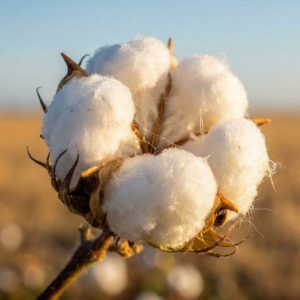
The US Bangladesh Trade Deal signed in 2026 is creating a major advantage for apparel buyers sourcing from Bangladesh. With new duty benefits and improved trade terms, this agreement reshapes global garment sourcing strategies.
The deal includes:
Reduction of reciprocal tariffs (previously set at 20%)
Duty-free access for garments produced in Bangladesh using US cotton and synthetic fibres
Expanded duty-free access for 2,500 additional Bangladeshi products
Immediate and phased tariff reductions that improve competitiveness
According to official government sources, this agreement is expected to strengthen Bangladesh’s competitive position in the American market, expand global trade, and deliver economic benefits to both countries.
Why This Matters to US Apparel Buyers
Previously, garments manufactured in Bangladesh had to pay tariffs when entering the US market, even when made with raw materials sourced from the US. Under the new deal:
🎯 Garments made in Bangladesh using US cotton and synthetics now enter the US market duty-free.
This creates a major cost advantage for brands importing ready-to-wear clothing from Bangladesh. While the products will still be labeled “Made in Bangladesh” (because origin is determined by where the substantial transformation takes place), the following benefits now apply:
Lower landed cost due to duty-free entry
Improved price competitiveness
Opportunity for apparel brands to highlight “Made with U.S. cotton”
Enhanced sourcing reliability with structured trade rules
How “Made with U.S. Cotton” Creates a New Value Proposition
Although garments manufactured in Bangladesh will not legally be labeled “Made in USA,” there is a compelling marketing and cost story for buyers:
Economic Advantage
By using raw cotton imported from the US, apparel brands can significantly reduce import duties — lowering the total cost of goods sold when importing into the US.
Traceability and Branding
Brands can transparently communicate to customers that their products were created with U.S. raw materials and manufactured in one of the world’s top apparel production hubs — Bangladesh.
This distinguishes products from competitors whose raw materials are sourced elsewhere.
What This Means for Global Apparel Sourcing
Bangladesh is already one of the largest exporters of ready-made garments in the world. With this trade agreement:
Apparel cost competitiveness in the US market improves
Bangladesh’s apparel exports become more attractive compared to competitors
Brands benefit from transparent raw material sourcing + duty savings
Streamlined trade rules encourage further investment and partnership
Both countries have committed to reducing tariffs and strengthening trade cooperation — including customs procedures, investment facilitation, and transparency measures — making Bangladesh a more attractive global apparel hub.
What US Apparel Importers Should Know Now
📌 1. Source With Confidence
Manufacturers in Bangladesh now have a stronger economic incentive to use U.S. cotton — reducing duty costs and increasing global competitiveness.
📌 2. Strengthen Production Partnerships
Premium manufacturers like those on the Alvieva™ B2B marketplace are already working with compliant factories that can handle technical requirements and global standards.
📌 3. Focus on Traceability
Communicate clearly in marketing and product descriptions:
“Manufactured in Bangladesh with U.S. cotton”
“Duty-free entry to U.S. market under new trade agreement”
This increases buyer confidence and adds transparency for end customers.
What This Means for Bangladesh Manufacturers
The trade deal also provides duty-free or reduced tariff access for thousands of Bangladeshi exports beyond apparel, including agricultural goods and industrial products. It enhances cooperation in customs, e-commerce, labor rights, and investment — making Bangladesh a stronger trade partner on multiple fronts.
How Alvieva™ Fits Into This Opportunity
At Alvieva™, we connect apparel buyers with verified, production-ready factories that are capable of handling everything from sampling to full-scale manufacturing.
With the new trade deal in place:
✔ We are positioned to support international brands looking for cost-efficient, U.S. cotton-based production
✔ Buyers have an edge in duty savings without compromising quality
✔ Factories verified through Alvieva™ meet compliance standards
✔ Supply chain visibility and traceability become easier
Our approach ensures that brands get consistent quality, transparent costings, and peace of mind throughout the production lifecycle.
Final Takeaway
The US–Bangladesh trade deal is a game-changer for international apparel sourcing — especially for U.S. importers.
While garments made in Bangladesh will continue to carry “Made in Bangladesh” origin, the duty-free entry for goods made with U.S. cotton provides a significant economic and brand positioning advantage that buyers should seize.
With duty-free access, transparent supply chain sourcing, and textile partnership incentives, apparel manufacturing in Bangladesh represents a strategic advantage for brands targeting competitive pricing and global market reach.
Suggested Internal Links
• How One US Buyer Turned Into a Multi-Brand Manufacturing Partner With Alvieva™
• How Global Buyers Can Manufacture Safely in 2026 — Without Middlemen or Platform Risk
• Alvieva™ 2025: A Year of Verified Growth, Real Orders & Trust-First Manufacturing
🔗 Backlinks:
• The Daily Star: US cotton-made RMG to get duty-free access — https://www.thedailystar.net/news/bangladesh/news/us-cotton-made-rmg-get-duty-free-access-4107171
• The Daily Star: US cotton-made RMG to get duty-free access — https://www.thedailystar.net/news/bangladesh/news/us-cotton-made-rmg-get-duty-free-access-4107171
• Al Jazeera: US and Bangladesh set trade deal with tariffs at 19 percent — https://www.aljazeera.com/economy/2026/2/9/us-and-bangladesh-set-trade-deal-with-tariffs-at-19-percent
• Official US–Bangladesh Trade Agreement — https://ustr.gov/sites/default/files/files/Press/Releases/2026/U.S.%20BGD%20Agreement%20on%20Reciprocal%20Trade%20Final%2009FEB2026%20LETTER.pdf
