A real production case from Alvieva™ on why execution matters more than assumed standards in global sourcing
Introduction
In global apparel manufacturing, most buyers assume that following a proven reference product reduces risk.
In reality, it can introduce new variables.
This case explains how a U.S. apparel order revealed a critical flaw in that assumption — and how it changed our entire approach to sizing consistency at Alvieva™.
Recently, our broader approach to building trust in sourcing was also covered here:
https://www.just-style.com/interviews/alvieva-apparel-rebuilding-trust-in-apparel-sourcing-through-human-verification/
“The Production Context”
We were manufacturing multiple product categories for a U.S. buyer:
• Hoodies
• Caps
• T-shirts
All products were being produced using our internally developed U.S. size ratio patterns — which had already been working consistently across previous orders.
The Change
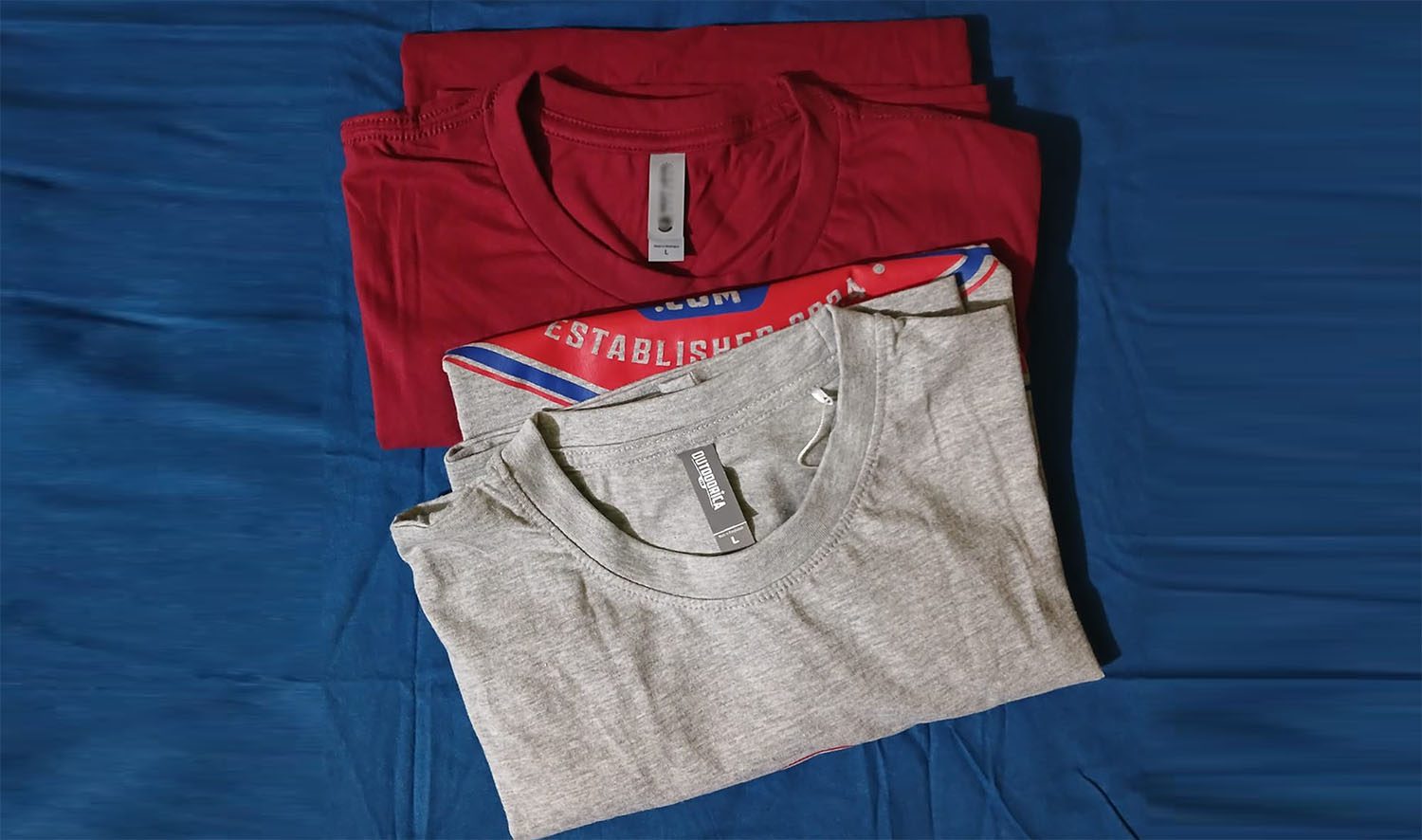
During development, the buyer provided two blank T-shirts from a well-known U.S. reference brand.
The intention was clear:
👉 replicate a familiar sizing standard to ensure perfect fit
We applied this reference pattern only to the T-shirt category.
All other products continued using our internal pattern system.
What Happened in Production
After delivery, the feedback was unexpected:
• Hoodies — correct fit
• Caps — correct fit
• T-shirts — inconsistent fit
In some cases:
• Medium felt closer to Small
• Large felt closer to Medium
• Shoulder and body proportions felt off
What This Revealed
This was not a quality issue.
It was a pattern translation issue.
The key insight:
👉 A reference product cannot be copied directly without controlling the full production system behind it.
Sizing is influenced by:
• pattern grading methods
• fabric structure and behavior
• stitching tolerances
• production interpretation at scale
Even when measurements appear correct, the outcome can change.
The Decision
After analyzing the issue, we made a clear decision:
👉 Do not rely on external product references for pattern replication
👉 Maintain a controlled internal sizing system across all categories
We reverted to our own pattern system for T-shirts — the same system already working across hoodies and other products.
The Outcome
Consistency returned.
Fit alignment improved.
And most importantly:
👉 the system became more predictable across repeat orders
The Broader Insight
This case reflects a larger pattern we’ve been observing:
Sourcing rarely fails at supplier selection.
It fails during execution.
Especially when:
• mid-process changes are introduced
• external references are applied without full control
• systems are mixed within the same order
Why This Matters for Buyers
For brands managing repeat production:
Consistency is not created by copying standards.
It is created by controlling execution.
This includes:
• maintaining one pattern system
• validating production behavior, not just measurements
• avoiding mid-cycle structural changes
Final Thought
This experience reinforced a core principle we now apply across all production:
👉 Consistency comes from controlled systems — not assumed standards.
This is part of what we refer to as the “Execution Gap” in global sourcing.
And it’s exactly what we’re solving through Alvieva™’s human-verified, production-managed approach.
#ApparelManufacturing #GlobalSourcing #SupplyChain #Alvieva